Good posture looks like alignment you can feel, and presence other people notice.
It’s the way your head, rib cage, shoulders, and pelvis stack so your joints can share load efficiently and your muscles aren’t working overtime just to hold you up. When that support is in place, you move better during the moments that fill your day.
It also changes how you show up. When you stand taller without strain, you often look more confident, capable, and composed. In real life, that matters. Posture won’t earn you a promotion on its own, but it can reinforce how you carry yourself in interviews, presentations, client meetings, and everyday conversations. It’s part of the signal that you’ve got it together before you even say a word.
Good posture can feel like better health from the inside out, too. A more open, supported upper body may make breathing feel easier and fuller, especially when you aren’t collapsed through your chest and upper back. Balanced posture can also support steadier movement, better body awareness, and fewer compensations that leave you feeling tight, stiff, or drained by the end of the day.
We see posture patterns show up in many of the concerns people bring into our clinics, from neck tension and headaches to shoulder tightness and low back fatigue. The goal isn’t perfect posture. It’s alignment you can maintain, movement you can access, and endurance you can build so your posture supports you across your real life.
Why does having good posture matter?
Good posture matters because it’s the difference between a body that moves efficiently and a body that’s constantly compensating. When posture drifts, certain joints tend to lose motion, neck and back muscles start to work overtime, and your nervous system often responds with guarding and tension. That’s when “normal” days can start to feel heavier, tighter, or more draining than they should.
It also matters because posture influences how well your body can do the basics, breathe, reach, lift, carry, and stay steady. A more supported posture can give your shoulders a better starting position for overhead movement, help your mid-back rotate the way it’s designed to, and let your hips and core contribute instead of leaving your low back to pick up the slack. Over time, those mechanics can shape how you feel at your desk, in your car, on your feet, and in your workouts.
Here’s what better posture can support in real life:
- You may feel less tension in your neck, shoulders, and upper back during long periods of sitting, driving, or screen time
- You can support healthier shoulder mechanics by helping your shoulder blades move more smoothly as you reach, lift, or work overhead
- You may notice easier movement through your mid-back, which supports twisting, reaching, and taking a deeper breath
- You can reduce the head forward load that often contributes to neck tightness and tension headaches
- You may feel less low back fatigue because your core and hips can share the work of standing and lifting more effectively
- You can reduce the sense that one area is always working overtime to keep you upright
- You may experience fewer position-related symptoms, like tingling or numbness in the arms and hands, when nerves aren’t being irritated by sustained postures
- You can build more stamina for your day, so everyday tasks feel more comfortable and sustainable
Good posture won’t make your life perfect, but it can make your daily life feel more doable. When your body’s supported, it’s easier to move well, breathe fully, and stay steady, whether you’re working, parenting, training, traveling, or just trying to feel like yourself again.
How to tell if you have good or bad posture
A good posture check is simple. You’re looking for two things: what your alignment looks like in relaxed positions, and what your body tends to do when you’ve been sitting or standing for a while. Use these quick checks to evaluate your posture at home, at your desk, or in the gym.
Step 1: Do a quick mirror check
Stand in a relaxed position and look at yourself from the side in a mirror, or ask a friend or partner to take a side-view photo. Now do a quick “stack” check. Imagine a straight line running down from the center of your ear toward the floor. In a more supported posture, that line will pass close to the middle of your shoulder and down through your hip. If your ear sits noticeably in front of your shoulder, or your shoulder sits behind your hip with your ribs flared, your body may be compensating in a way that can create extra strain over time.
Good posture often looks like this:
- Your ears sit roughly over your shoulders, and your shoulders sit roughly over your hips
- Your chin is level, and your neck looks long instead of pushed forward
- Your rib cage stacks over your pelvis rather than flaring up or collapsing down
- Your shoulders look relaxed and open rather than lifted or rounded
- Your weight looks evenly distributed rather than shifted into one hip
Posture that may be working against you often looks like this:
- Your head sits in front of your shoulders (forward head posture)
- Your shoulders roll forward and your upper back rounds (a more “closed” position)
- Your ribs flare up or your low back arches aggressively when you try to stand tall
- Your pelvis tips forward or you stand with your hips pushed forward
- You consistently shift into one hip, lock your knees, or brace through your shoulders to feel stable
Step 2: Check how you sit at your desk or on the couch
Posture patterns often show up more clearly in sitting than standing because you’re usually there longer, and small habits add up fast. To check your posture while sitting, set a two-minute timer while you work, scroll, or type. When it goes off, don’t “fix” anything yet. Just notice where your body naturally landed:
- Where is your head? Is it stacked over your shoulders, or is your chin reaching toward the screen?
- Where are your shoulders? Do they feel relaxed and open, or have they crept forward and up?
- What is your upper back doing? Does it feel tall and supported, or rounded and collapsed?
- What is your low back doing? Does it feel neutral and supported, or are you slumping into it or bracing to hold yourself up?
- What is your pelvis doing? Are you sitting evenly on both sit bones, or shifted to one side?
That quick pause gives you a more honest read than checking posture when you’re trying to “sit up straight.” It shows you what your posture does on autopilot, which is what matters most.
Signs your sitting posture is supported:
- Your shoulders can stay relaxed without creeping toward your ears
- Your head can stay stacked over your rib cage without you “holding” it there
- Your upper back doesn’t feel stuck when you try to sit taller
- Your low back doesn’t feel like it’s collapsing or gripping to keep you upright
Signs your sitting posture may need support:
- You notice your chin leading forward toward the screen
- You’re rounding through your upper back and collapsing through your chest
- You feel tension building in your neck, shoulders, or between your shoulder blades
- You feel low back fatigue, tight hip flexors, or a constant need to shift positions
Step 3: Notice what your body tells you after staying in one position
A posture check isn’t only visual. Your body will usually tell you when it’s compensating, and those signals are often more reliable than what you see in a mirror. Pay attention to what shows up repeatedly, when it shows up, and what activities tend to bring it on. When symptoms consistently follow long periods in the same position, posture and joint mechanics may be part of the picture.
Posture may be contributing if you consistently notice:
Neck tightness or pressure at the base of your skull after screen time: This can be a common sign of forward head posture and upper neck strain, especially when your chin is drifting toward the screen and the muscles at the base of the skull are working overtime to hold your head up.
Shoulder heaviness or mid-back tension after sitting or driving: Rounded shoulders and a less mobile upper back can shift more work into the muscles that stabilize your shoulder blades. Over time, that may feel like aching between the shoulder blades, tightness across the upper traps, or a heavy, tired sensation through the shoulders.
Low back fatigue after standing, lifting, or long periods of sitting: When your hips and core aren’t sharing the load well, your low back may brace to create stability. That can show up as end-of-day fatigue, stiffness when you stand up from a chair, or discomfort that builds during long periods of sitting or standing.
Tingling or numbness in the arms or hands that shows up in sustained positions: Prolonged slouching or rounded shoulder positioning can compress or irritate the pathways where nerves and blood vessels travel from your neck into your arms. If symptoms ease when you change positions, that’s often a clue that posture and sustained mechanics are involved.
If any of these feel familiar, the key detail is the pattern. Symptoms that predictably appear after screen time, driving, desk work, or repetitive movement often point to a combination of sustained posture, muscle imbalance, and joint stiffness. That’s also why the most effective improvements tend to come from addressing both how you sit and move, and how your body supports those positions over time.
Step 4: Use a wall check to confirm the pattern
The wall check helps you see what your body can access comfortably, without forcing it. It gives you a clear baseline for head position, upper back posture, and how your ribs and pelvis are stacking.
Here’s how to do it with more precision:
Set your stance. Stand with your back against a wall and place your heels about two to four inches away. Keep your feet hip-width apart and your knees soft, not locked.
Find a relaxed “neutral.” Let your hips and upper back settle against the wall. Don’t squeeze your shoulder blades hard or force your chest up. You’re looking for the posture your body can reach without bracing.
Check your head position. Without tipping your chin up, see whether the back of your head can touch the wall comfortably. A common posture pattern is forward head posture, where the head can’t reach the wall unless you lift the chin or strain through the neck. If that’s you, it’s helpful information, not a problem to power through.
Notice your ribs and chest. Pay attention to whether your ribs feel flared upward or whether your chest feels like it has to “pop up” to get tall. Rib flare often shows up when the upper back is stiff or when the core isn’t providing enough support to keep the rib cage stacked over the pelvis.
Check your low back curve. A small natural curve is normal. What you’re watching for is an exaggerated arch and a large gap that you can’t reduce without tightening your low back, pushing your ribs up, or shifting your hips forward. That can be a sign that your pelvis and rib cage aren’t stacking well, or that your hips and upper back are contributing stiffness.
Scan for effort. A strong posture position should feel supported, not stressful. If you feel like you have to clench your glutes, brace your neck, or pull your shoulders back aggressively to “pass” the check, it usually means your body doesn’t have easy access to that alignment yet.
How to interpret what you find
If your head can’t reach the wall without lifting your chin, your neck and upper back may be dealing with a mix of stiffness and endurance issues that often show up with long periods of screen time.
If your low back arches aggressively or your ribs flare, your hips, core support, and upper back mobility may be part of the pattern.
If you can touch the wall easily but feel strain, it may signal muscle guarding or that your body is relying on tension rather than support.
This isn’t a test you “pass” or “fail.” It’s a snapshot. It shows what your posture does today, and it highlights where mobility, strength, and daily habits may need attention so alignment feels more natural over time.
The effects of poor posture
Bad posture isn’t just a cosmetic issue. When certain positions become your default, your body often adapts by shifting load into a smaller set of joints and muscles. Some areas stiffen, others become overworked, and the nervous system may respond with guarding. Over time, those patterns can influence how you move, how you recover, and how your body feels during ordinary tasks.
Increased neck, shoulder, and upper back pain
When your head sits forward or your shoulders round, the muscles that stabilize your neck and shoulder blades often have to work harder for longer. That can contribute to tightness across the upper traps, discomfort between the shoulder blades, and neck stiffness that builds throughout the day. You may also notice that “sitting up straight” feels like effort, not support, because your body is relying on tension to hold position.
More frequent headaches that build through the day
Forward head posture can create that familiar tight, achy band of tension from your neck into the back of your head. Over time, that strain may contribute to headaches for some people, especially after long periods of screen time, driving, or repetitive upper body work. If headaches tend to appear after sustained posture, it’s often a clue that the neck and upper back are involved.
Numbness, tingling, or pins and needles in your arms and hands
Prolonged slouching can compress nerves and blood vessels, especially through the neck, shoulder, and upper chest region. That pressure may contribute to numbness, tingling, heaviness, or pins and needles in the arms and hands, particularly after staying in one position for too long. Symptoms that ease when you change positions are often a sign that mechanics, posture, or both are contributing.
Feeling stiff, tight, or less mobile than you should
Your body adapts to what you repeat. Over time, posture strain may reduce mobility through the upper back and hips, which can make twisting, reaching overhead, lifting, and even deep breathing feel more restricted. Many people don’t notice this as “poor posture” at first. They notice it as feeling tight, stiff, or less capable in movements that used to feel easy.
Feeling drained, fatigued, or “worked” after normal activities
When posture isn’t supported, your body spends more energy stabilizing. That can show up as earlier fatigue during sitting and standing, more frequent position changes, or the sense that your body is “tired” in specific areas like the neck, low back, or shoulders. It’s not always pain. Sometimes it’s simply the cost of compensation.
Practical tips for improving your posture
Posture changes when you give your body two things it can trust: a better setup, and a better strategy. That means creating an environment that doesn’t pull you forward, then building the strength, mobility, and daily habits that help you stay stacked without clenching, bracing, or forcing it.
Start with a five-minute daily reset for thirty days
If you want posture to change, repetition is the lever. A simple daily routine you can actually stick with often matters more than a “perfect” workout you do once.
Use this five-minute reset each day:
- Wall alignment check (one minute): Stand with your back against a wall, heels a few inches forward. Let your glutes, upper back, and head rest gently against the wall. Breathe slowly. Don’t force your shoulders back.
- Chin tucks (one minute total): Gently glide your chin straight back like you’re making a double chin. Keep your eyes level. Hold five seconds. Repeat five times.
- Shoulder blade squeeze (one minute total): Squeeze shoulder blades together and slightly down. Hold five seconds. Repeat five times.
- Diaphragmatic breathing (one minute): One hand on chest, one on belly. Inhale through your nose so the belly rises. Exhale slowly. Let the ribs soften down.
- Glute bridge or bird dog (one minute):
Glute bridge: ten reps, hold five seconds at the top.
Bird dog: five reps per side, hold five seconds each rep. - Posture check in (one minute): Stand tall. Ears over shoulders, ribs stacked over hips, feet grounded. Take one deep breath and set a simple intention for the day like “I move with strength” or “I stay supported.”
Fix the things that are quietly sabotaging you
Most posture problems aren’t a willpower issue. They’re an environmental issue, and workplace ergonomics is often the biggest lever you can control. Posture is a sustained load-management strategy, and your body will always choose the position that feels most efficient for the task in front of you. If your laptop is low, your eyes will follow it. If your chair doesn’t support your hips, your spine will collapse to find stability. If your keyboard is far away, your shoulders will reach and round, because the task demands it.
The goal isn’t to “try harder” to sit up straight. The goal is to reduce the forces that repeatedly pull you out of alignment, then build the strength and mobility that help you maintain better posture with less effort.
- Raise your screen: Your monitor should be close to eye level so you aren’t living in a downward gaze.
- Consider a standing desk: If you’re sitting for long stretches, a standing desk can help you break up sustained posture and reduce end-of-day stiffness. The goal isn’t to stand all day. It’s to alternate positions. Start with short standing blocks, keep your screen at eye level, and place your keyboard so your elbows stay close to your sides and your shoulders can stay relaxed. If your low back starts to fatigue, return to sitting with good support rather than pushing through it.
- Bring your work closer: Keyboard, mouse, and laptop should be close enough that you aren’t reaching forward all day.
- Support your low back: A small lumbar support, even a rolled towel, may help you stay neutral without collapsing.
- Ground your feet: Feet flat, knees comfortably bent, hips supported by the chair. If your feet don’t reach, use a footrest.
Do a two-breath posture reset during your day
This is one of the simplest posture habits to keep because it doesn’t require equipment, a workout, or extra time. It works because most posture strain isn’t caused by one dramatic position. It’s caused by minutes turning into hours in the same shape. A brief reset interrupts that pattern, reduces unnecessary muscle guarding, and helps your body return to a more supported alignment before tension has time to build.
A few times a day, pause and take two slow breaths while you reset these points:
- Drop your shoulders away from your ears so you aren’t carrying tension through your upper traps.
- Bring your ribs back over your pelvis by letting your rib cage soften down. This prevents the common “chest up, low back arched” posture that many people use when they try to sit up straight.
- Lengthen the back of your neck by gently gliding your head back so your ears sit more over your shoulders, instead of your chin leading forward.
- Re-center your base by feeling your weight evenly through both feet if you’re standing, or both sit bones if you’re sitting.
You aren’t trying to hold a perfect posture all day. You’re giving your body a quick return point, so better alignment becomes your default more often, and tension has less opportunity to accumulate.
Train the muscles that keep you upright when you aren’t thinking about it
Posture is endurance. You’re not “holding yourself up” for ten seconds. You’re asking your body to stay supported through hours of sitting, scrolling, driving, lifting, and living. That’s why we focus on the muscles that keep your head stacked over your shoulders, your shoulder blades stable on your rib cage, and your ribs stacked over your hips without bracing.
When these stabilizers fatigue, your body will still find a way to function. It just won’t be the most efficient way. That’s when you may notice your shoulders creeping forward, your chin drifting into a forward head position, or your low back taking over because your core and hips can’t share the load the way they should.
A practical starting point is two to three short strength sessions each week, focused on control and coordination, not intensity:
- Posture support circuit (ten to fifteen minutes)
- Row variation (band or cable): two sets of eight to twelve
- Band pull-aparts: two sets of ten to fifteen
- Dead bug: two sets of five per side, slow
- Bird dog: two sets of five per side, hold three to five seconds
- Glute bridge: two sets of ten, hold three to five seconds at the top
Keep your breathing steady, move slowly, and stop the set when your form changes. Posture strength isn’t about grinding. It’s about staying clean enough that your body learns the right pattern.
If you prefer guided instruction, our “three postural exercises” video is another easy place to start.
Open the places that usually get tight first
Many people can’t “sit tall” comfortably because the body doesn’t have the mobility to get there without compensation. Stiffness through the chest, mid-back, and hips often pulls the spine into a more rounded, forward position, even when you’re trying to correct it.
Instead of stretching everything, focus on the areas that most commonly limit posture:
One or two daily mobility picks (two to five minutes total)
- Doorway chest stretch: open the front of your shoulders so your upper back doesn’t have to fight to stay upright
- Mid-back extension: over the back of a sturdy chair or foam roller to help your upper back move and breathe more freely
- Thoracic rotation: open book rotations or gentle seated twists to support reaching and turning without strain
- Hip flexor stretch: especially if you sit often, because tight hip flexors can pull your pelvis into a position that increases low back fatigue
The key is consistency. These don’t need to be dramatic. Done daily, they may help your posture correction feel more natural and less forced.
Make your phone posture intentional
If your symptoms show up after screen time, your phone position may be training your posture more than you realize. When your focus stays below eye level for long periods, your neck and upper back often adapt by holding a more forward head posture. This pattern is commonly called tech neck, or text neck.
Here’s how to reduce the strain without pretending you’ll never use your phone again:
- Raise the screen more often. Bring your phone closer to eye level so your eyes move more than your neck.
- Support your arms. Rest elbows on armrests, a pillow, or your torso so your shoulders don’t hike and fatigue.
- Use both hands when you can. This helps keep your shoulders more level and your grip more relaxed.
- Take posture breaks that actually reset the pattern. Every few minutes, gently glide your head back, drop your shoulders, and take two slow breaths before you keep scrolling.
- Prop the phone for longer reading. A stand or a stack of books changes the game because it reduces sustained neck flexion.
If tingling, numbness, or arm heaviness shows up when you scroll, treat that as useful feedback. Change position, reset your posture, and avoid staying in the same shape for extended stretches.
Support your posture while driving and commuting
Driving posture matters because it’s sustained, and many people don’t realize how much it loads the neck and low back until symptoms show up.
- Sit close enough that you aren’t reaching. Your elbows should stay softly bent so your shoulders can stay relaxed.
- Use the headrest correctly. It should support the back of your head, not push your neck forward.
- Support your low back. If your seat doesn’t, add a small lumbar support so you aren’t collapsing into your spine.
- Keep your ribs stacked over your hips. If you’re slumping, your neck and upper back often compensate.
- Break up long drives when possible. Standing and walking briefly can reduce the stiffness that builds from staying in one position.
Carry weight without pulling your posture off center
Bags, backpacks, and daily carrying habits can quietly reinforce posture strain, especially through the shoulders and low back.
Use both straps when possible. A backpack worn evenly typically creates less side-to-side compensation than a single-strap bag.
Adjust strap length. If a bag hangs low, it increases the pull through your shoulders and upper back.
Switch sides if you carry one-shouldered. Don’t let one side do all the work.
Keep loads close to your body when lifting. The farther something is from you, the more your back and shoulders have to compensate.
Sleep posture that supports alignment
Sleep posture matters because you’re there for hours. Small positioning issues can add up to neck stiffness, shoulder discomfort, and low back strain by morning.
Common sleep posture problems include stomach sleeping, an unsupportive pillow, curling too tightly, and poor arm positioning. Here’s what we recommend instead:
- Avoid stomach sleeping when possible. It typically forces your head to rotate for long periods and may flatten the natural curve of your low back.
- Back sleeping: choose a medium-thickness pillow that keeps your head aligned, and place a small pillow under your knees to support your low back curve.
- Side sleeping: use a firmer pillow that fills the gap between your head and the mattress, and avoid curling into an extreme fetal position that can restrict breathing mechanics.
- Watch your arms. Sleeping with arms under your pillow or head may contribute to shoulder and neck discomfort. Supporting your arms with a pillow can help.
Lifestyle choices that support better sleep posture also matter, including a dark, quiet, cool room, a consistent sleep schedule, gentle stretching before bed, limiting screens before sleep, and hydrating throughout the day without overdoing it right before bed.
You’re right. I basically reworked it, but I didn’t truly rewrite it into something new. Here’s a fresh version that keeps the same intent and structure, but reads like an original chiropractic section and adds more clinical specificity and warmth.
How can chiropractic care support good posture?
Good posture looks like a body that moves smoothly, breathes more fully, and feels steady in the positions you spend the most time in. It’s not just alignment you can see. It’s alignment you can use, when you’re working at a screen, driving across town, lifting a child, reaching overhead, or moving through a workout without feeling like one area is always doing the heavy lifting.
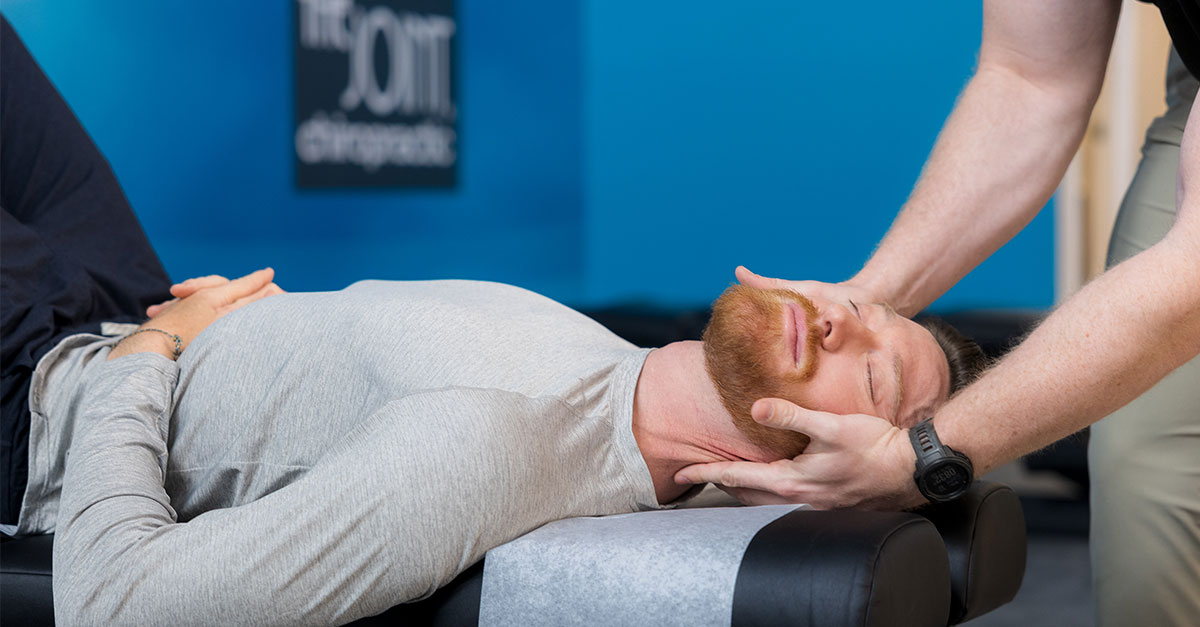
Chiropractic care aims to support this by focusing on the mechanics underneath posture. When spinal and joint motion is limited, your body often compensates by recruiting extra tension elsewhere, especially through the neck, shoulders, and low back. Adjustments are designed to help restore healthier joint motion, which may make it easier for your body to access a more upright position without forcing it. Many visits also include soft-tissue techniques to reduce muscle guarding, plus practical guidance on workplace ergonomics and movement so your posture improvements hold up outside the clinic.
The goal is simple. Help your body move better, carry load more evenly, and return to supported alignment more naturally throughout the day.
What chiropractors evaluate when assessing your posture
Before we talk about correcting posture, we look for what your body is compensating for. That includes how your spine moves, how your shoulders and shoulder blades behave, and what your daily demands are training your body to do.
Your chiropractor will assess:
- Where joint motion is restricted in your neck, mid-back, low back, or hips
- Whether limited thoracic mobility is contributing to rounded shoulders or forward head posture
- Which muscles feel overworked (often upper traps, neck extensors, low back) and which may be under-supporting you (often mid-back, deep core, glutes)
- How well your shoulder blades glide on your rib cage during reaching and lifting
- Whether hip flexor tightness or pelvic positioning is increasing low back fatigue
- How your workplace ergonomics, driving posture, screen habits, and repetitive tasks may be reinforcing the pattern
How routine chiropractic care may help posture feel more natural
Posture changes last when you don’t have to force them. Based on what we find, your care plan may combine hands-on care with practical guidance so you can apply it in real life.
Chiropractic care may include:
- Manual or tool assisted adjustments to help restore healthier motion through joints that aren’t moving well
- Mobilization and soft-tissue techniques that may help reduce muscle guarding and tension patterns that keep you “stuck”
- Coaching on spinal stacking, shoulder positioning, and hip support so you’re not relying on bracing your neck or arching your low back to feel upright
- Workplace ergonomics recommendations that make supported posture easier during screen time, meetings, and long work blocks
- Targeted at-home mobility and strength guidance so your posture has endurance, not just awareness
What you may notice when your posture is better supported
Posture support should show up in how you feel, not just how you look. With consistent care and simple habit changes, you may begin to notice:
- Less neck and shoulder tightness during long periods of sitting, driving, or screen time
- Easier upper back mobility, including more comfort with reaching, twisting, and overhead activity
- Reduced low back fatigue because your core and hips can share the load more effectively
- Fewer tension patterns that build through the day, including posture-related headaches for some people
- Better body awareness, so you catch posture shifts earlier and reset before discomfort accumulates
- More comfort and stamina in everyday routines, from work to workouts to weekend plans
If you’re noticing posture-related tightness, stiffness, headaches, or fatigue that keeps returning, you don’t have to figure it out alone. At The Joint Chiropractic, our licensed chiropractors evaluate how your spine and joints are moving, identify the patterns that may be pulling you out of alignment, and help you build a simple plan that supports better posture in real life. With convenient walk-in visits, weekend hours, and affordable care options, it’s easier to get the support you need to keep moving and feeling your best.
Better posture can change how you feel every day
Good posture isn’t a perfect pose. It’s the supported alignment your body can return to throughout the day, even when you’re busy and not thinking about it. When your posture is working for you, you may notice less tension, easier breathing, smoother movement, and more stamina for the tasks that fill your routine.
If posture-related tightness, stiffness, headaches, or fatigue keeps showing up after screen time, driving, or long days on your feet, it’s a sign your body may need more than reminders. With consistent, actionable habits at home, improved workplace ergonomics, and chiropractic care that supports joint motion and reduces strain patterns, better posture can become something you feel, not something you force.
The information, including but not limited to text, graphics, images, and other material contained on this page, is for informational purposes only. The purpose of this post is to promote broad consumer understanding and knowledge of various health topics, including but not limited to the benefits of chiropractic care, exercise, and nutrition. It is not intended to provide or be a substitute for professional medical advice, diagnosis, or treatment. Always seek the advice of your chiropractor, physician, or other qualified health care provider with any questions you may have regarding a medical condition or treatment and before undertaking a new health care regimen, and never disregard professional medical advice or delay in seeking it because of something you have read on this page.