










Important Message from The Joint Chiropractic regarding COVID-19 (Novel Coronavirus) - Read More

Ankle Pain:
Causes, Symptoms,
And Lasting Relief

Your ankles work hard every time you stand, walk, or take a step,
supporting your weight and keeping you balanced. When ankle pain
shows up, everything from walking the dog to climbing the stairs can
start to feel like a chore. Whether your ankle pain comes from a long
day on your feet, an old injury, or everyday wear and tear, it’s a sign that
your joints and surrounding tissues may need more support. Learn more
about the underlying causes of ankle pain and treatment options
for lasting relief.


Find Relief Near You

What Is Ankle Pain?

Your ankles work hard to keep you steady through every step, turn, and jump. They’re mighty joints built to balance your body’s weight while allowing enough flexibility to move in every direction. When your ankles feel stiff, swollen, or painful, it may make you feel unsteady and turn even simple activities into a balancing act.

Ankle pain usually happens when the muscles, tendons, ligaments, or bones that support your ankle become strained, irritated, or injured. It might come on suddenly after a twist, fall, or misstep, or it may build up slowly from overuse, poor footwear, or repetitive movement. Some people feel a dull ache that lingers; others experience sharp pain or swelling that makes it hard to put weight on the joint.

Because your ankles are so connected to the rest of your body’s movement, problems in your feet, knees, or hips may add extra stress to them too. That’s why it’s important to understand what’s behind your discomfort early on. Visiting a healthcare provider or chiropractor for ankle pain may help you pinpoint the cause, improve your range of motion, and get you back to moving with confidence.

What are common types of ankle pain?

Runner’s knee

Sprains and strains

Ankle sprains happen when the ligaments that support your joint stretch or tear, often after an awkward twist or misstep. You might feel sudden pain, swelling, or instability, like your ankle “gave out” under you.

Osteoarthritis

Achilles tendinitis

This type of pain shows up in the back of your ankle, where the Achilles tendon connects your calf muscle to your heel. It often develops gradually from overuse and may feel sore or stiff, especially in the morning or after exercise.

Tendinitis

Arthritis that affects the ankle

Arthritis in the ankle happens when the protective cartilage between your bones wears down over time. It may lead to stiffness, swelling, and a deep ache that makes it harder to move comfortably, especially after sitting or standing for long periods.

Bursitis

Fractures and bone Injuries

A sudden fall or high-impact activity may lead to a fracture in one of the small bones that make up your ankle joint. This often brings sharp pain, bruising, and swelling; it usually makes putting weight on your foot difficult.

What Are Common Ankle Pain Causes?

Sprains

Think of your ankle ligaments like flexible rubber bands, but they only flex to a point. A twist, roll, or awkward step may stretch them too far, leading to a sprain. You’ll likely feel swelling, tenderness, or a wobbly feeling when you try to walk.

Inflammation

Sometimes ankle pain stems from simple inflammation inside the joint. When your tissues get irritated or overworked, fluid may build up, making the area feel warm, swollen, or stiff. It’s like your ankle’s sending up a little flare to say it needs a break.

Fractures

When too much force hits your ankle at once from a fall, stumble, or hard landing, the bones may crack or break. It’s usually sharp, immediate pain with swelling and bruising, like your ankle’s alarm system going off.

Poor footwear or alignment

Wearing unsupportive shoes, especially for long periods, may throw off your balance and joint alignment. It’s like driving a car with the wheels out of alignment. Over time, the extra wear shows up as ankle strain or uneven pressure.

Overuse

Over time, the smooth cartilage that helps your ankle bones glide wears down, making every step less cushioned. It’s like the tread on your favorite sneakers thinning out; you’ll notice more stiffness, soreness, and grinding.

Ankle Pain Is More Common Than You Think

shoulder_circle1

15% of adults 50+ report frequent ankle pain1

shoulder_circle2

2M+ acute ankle sprains occur in the U.S. each year2

shoulder_circle3

Up to 40% of individuals who sprain their ankle develop chronic ankle instability3

shoulder_circle4

Up to 85% of ankle sprains improve with conservative, non-surgical care4

Who Is Most At Risk For Knee Pain?

Who Is Most At Risk For Ankle Pain?

Running, jumping, or making quick pivots puts a lot of pressure on your ankles. Sports like basketball, soccer and trail running are especially tough since they combine impact with unpredictable movement. Even with good form, all that motion may lead to sprains or strains if your muscles are tired or tight.

If you spend a lot of time on hiking trails, cobblestone streets, or uneven sidewalks, your ankles are constantly working to keep you balanced. Think of them like the shock absorbers on a car; when the ground gets bumpy, they’re doing overtime. That may lead to soreness or small tweaks that make each step a little less steady.

An old ankle sprain can be something your body never quite forgets. Even if it healed, your surrounding muscles and ligaments might still be weaker or less flexible, leaving you more prone to rolling or re-injuring it. Strength and stability work help retrain the joint and build confidence in every step.

Shoes that are too flat, worn down, or unsupportive make your ankles work harder to keep you upright. It’s like your balance and alignment are off from the start. Supportive, well-fitted shoes help absorb shock and keep your ankles steady.

Extra body weight puts added pressure on your ankles, sometimes multiplying the force with every step you take. Over time, that extra load may lead to soreness, swelling, or fatigue in the joint. Gentle movement and strength work may help your ankles handle that pressure more comfortably.

Arthritis may change how the joints in your feet and ankles move, making them feel stiff, achy, or swollen throughout the day. Some people feel it most in the morning or after long periods of standing. Staying active, stretching, and supporting joint mobility may help reduce discomfort over time.

Common Symptoms And Daily Struggles

When ankle pain shows up, it tends to hit right where movement matters most. Every step, turn, or push-off can remind you something’s not right; whether it’s a sharp twinge, dull ache, or lingering stiffness. It might make everyday things like walking the dog, climbing stairs, or keeping up with your workout feel like travelling on uneven ground. The good news? Relief is possible, and the right care may help you move confidently again.

What are common ankle pain symptoms?

  • A dull ache or sharp pain when standing, walking, or putting weight on your foot.
  • Swelling or puffiness around the joint that makes shoes feel tight
  • Stiffness or limited range of motion, especially after rest or in the morning
  • Tenderness, warmth, or bruising after an injury or long day on your feet
  • A feeling of weakness, wobbliness, or that your ankle might “give out” when you move
  • Clicking, popping, or grinding sounds when rotating or flexing your ankle

Ankle pain may make every step feel like a balancing act, but most causes respond well to rest, gentle movement, and professional care. With the right support and consistency, you may get back to walking, running, and staying active with more stability and confidence.

Common Symptoms
NATURAL RELIEF FROM ANKLE PAIN

How Can Chiropractic Care Help With Ankle Pain?

When your ankles start to ache, simple steps like rest, ice, or compression may bring short-term relief, but sometimes, the discomfort lingers. Activities that keep you on your feet all day can strain your joints and surrounding muscles, leading to stiffness or swelling that’s hard to shake off

Chiropractic care offers a natural, non-invasive way to support healing and improve how your body moves. Chiropractors focus on restoring balance and alignment so your ankles are able to function like they’re meant to: with stability, flexibility, and support. Routine visits may also complement other care, helping reduce pressure and improve circulation throughout your lower legs.

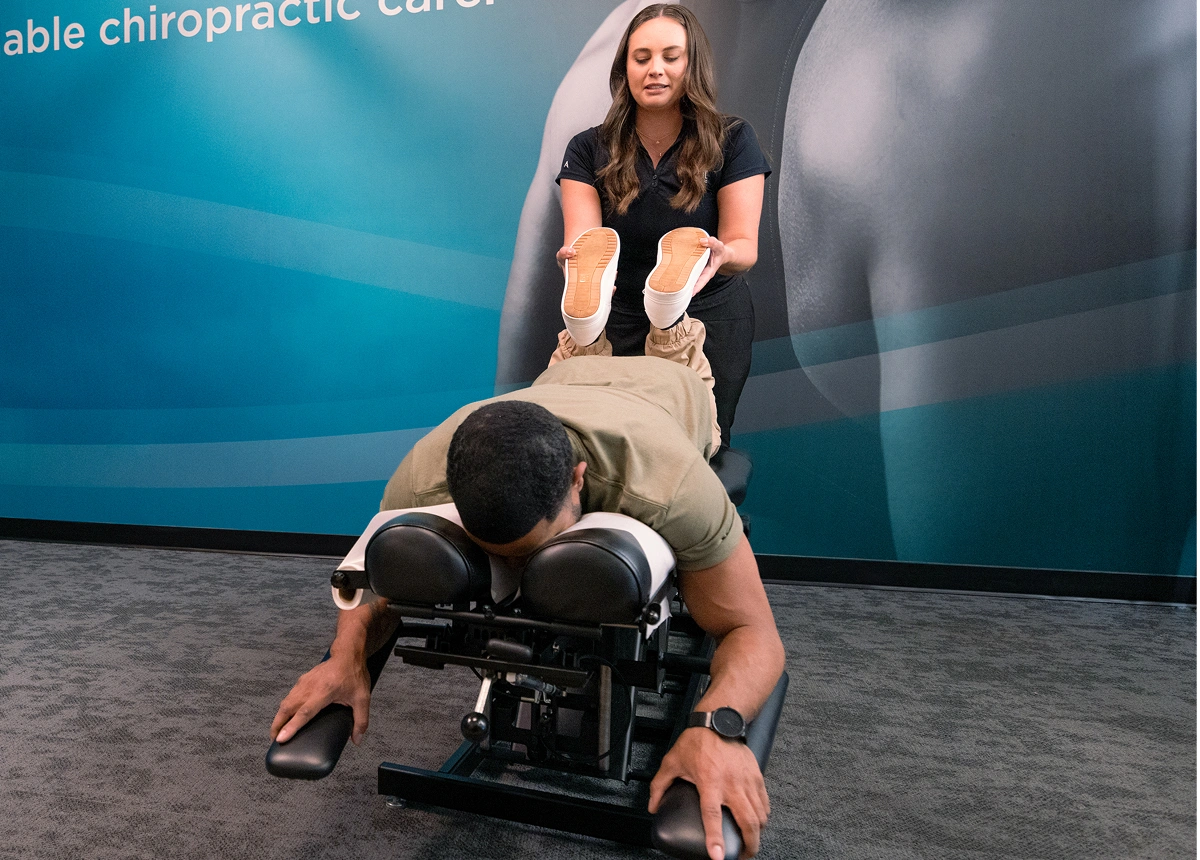
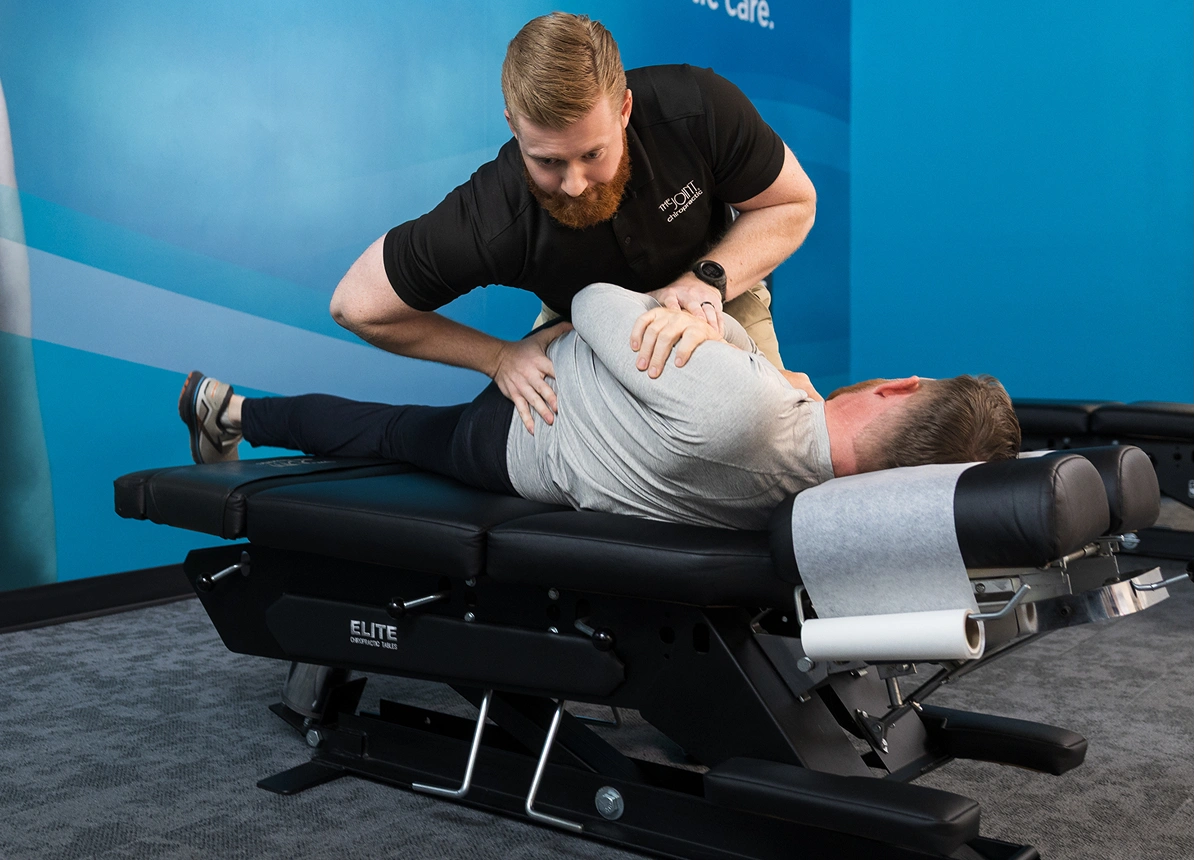
During an appointment, licensed chiropractors deliver gentle adjustments designed to reduce joint restriction and improve range of motion in your ankles and feet. They may also use light stretching, soft tissue work, or mobility guidance to help strengthen supporting muscles and take strain off the joint. Over time, these small changes may help you walk, run, and move with greater comfort and confidence.

Step 1: Understanding the source of ankle pain

To help you find relief, chiropractors identify and address:

  • Stiffness or limited range of motion that makes it harder for your ankle to flex or rotate naturally
  • Muscle tightness in the calves, shins, or feet that pulls unevenly on the joint
  • Inflammation that makes the ankle feel tender, warm, or puffy
  • Instability or weakness from past sprains that causes your ankle to feel less secure
  • Alignment issues in your feet, knees, or hips that throw off your balance and add extra strain with every step
Step 1: Understanding the source of knee pain

Step 2: How chiropractic may help

  • Gentle adjustments may help your ankle joints move more freely, like easing the rust off a hinge that’s gotten stiff over time.
  • Soft-tissue techniques may help relax tight muscles and tendons in your calves and feet, reducing strain around the joint.
  • Guided stretches and movement tips may help you rebuild balance and strength without putting extra pressure on sore areas.
  • Improved alignment through regular care may help distribute weight more evenly, reducing stress on your ankles with every step.
  • Advising on how to adjust your daily tasks to reduce stress, including changing posture, limiting repetitive motion, and more
  • Ergonomic suggestions to adjust your workspace to minimize strain
  • Ice/heat therapy to manage immediate swelling and loosen tight muscles
Step 2: How chiropractic may help

Step 3: Potential benefits of care

There are many potential health benefits of chiropractic care for ankle pain, including:

  • Reduced soreness and stiffness that make each step feel easier
  • Improved range of motion and flexibility for better movement and balance
  • Less swelling or inflammation from overuse or minor strain
  • Better joint alignment to help distribute pressure more evenly across your ankles and feet
  • Stronger supporting muscles that help stabilize your ankle and prevent future injury
  • More confidence when walking, running, or staying active
Step 3: Potential benefits of care

Find a chiropractor near you

Walk in for quality, affordable care that fits your schedule. Enjoy hassle-free visits and same-day relief.

Nearby Clinics

Chiropractors Treating Ankle Pain

Frequently Asked Questions About Ankle Pain

Rest, ice, compression, and elevation (the RICE method) may help calm swelling and soreness in the first few days after ankle pain starts. Rest by avoiding activities that make the pain worse and choosing lower impact movement instead. Apply a cold pack for about 15 to 20 minutes at a time with a thin cloth between the ice and your skin, and use a soft wrap or brace for gentle compression if recommended by your provider. When you sit or lie down, try to elevate your ankle above the level of your heart. As symptoms start to improve, light movement and gentle stretching may help maintain flexibility, as long as you avoid any motion that causes sharp pain.

The RICE method is a common at home approach that may help ease ankle pain and swelling after a minor injury. RICE stands for rest, ice, compression, and elevation. Rest means taking a break from activities that irritate your ankle. Ice involves applying a cold pack for about fifteen to twenty minutes at a time with a thin cloth between the ice and your skin. Compression uses a soft wrap or brace to provide gentle support. Elevation means propping your ankle above the level of your heart when you sit or lie down. RICE is usually most helpful in the first one to three days after symptoms begin and does not replace an evaluation from a healthcare provider if your pain is severe, does not improve, or you suspect a more serious injury.

Pain along the side of your ankle may come from a sprain, irritated tendons, or pressure from your shoes. Sometimes the tendons that wrap around the outside of your ankle get overworked, especially if you’ve been walking on uneven ground or wearing shoes without much support. If the discomfort lingers, it’s best to have it checked to rule out a tear or chronic instability. A quick exam may help pinpoint whether the issue is muscular, ligament-related, or coming from your gait, and may help you understand what’s triggering the irritation in the first place.

Sometimes pain shows up even without a clear injury. It may be from arthritis, inflammation, poor footwear, or compensation from another issue in your hips or knees. Subtle alignment changes often build up over time before discomfort becomes noticeable.

Possibly. When the thick band of tissue on the bottom of your foot becomes inflamed, it may cause strain that radiates into your ankle. Supportive footwear and stretching may help relieve tension. Addressing the root cause early may help prevent the pain from spreading.

The best approach depends on what’s causing it, but rest, ice, proper footwear, and gentle mobility work often help. If pain persists, a chiropractor or healthcare provider may identify underlying alignment or soft-tissue issues. Getting an accurate diagnosis is the fastest way to find relief.

Simple steps like elevating your foot, applying ice, and wearing supportive shoes may ease soreness. Over time, stretching and strengthening the muscles around your ankle may also help prevent flare-ups. Consistency matters, even with small daily habits.

It may. When your sciatic nerve is irritated in your lower back, pain may travel down your leg and show up around your ankle or foot. Chiropractic adjustments may help ease nerve pressure and improve function. If you also notice tingling or numbness, that’s another sign the nerve may be involved.

Warm up before running, wear well-cushioned shoes, and build strength in your calves and feet. If you notice recurring pain, adjusting your running form or alternating workouts may help reduce stress on your ankles. Listening to early warning signs may help prevent a bigger setback.

Flat feet may cause your ankles to roll inward, which puts extra strain on your joints and tendons. Arch supports or strengthening exercises may help correct that imbalance. Improving foot mechanics may also reduce discomfort in your knees and hips.

Your knees and ankles work closely together, so when one joint is misaligned or strained, the other often compensates, leading to added stress and discomfort. Addressing both areas may help prevent a cycle of overcompensation and recurring pain.

Rest, ice, compression, and elevation are your best first steps. As swelling improves, gentle motion and balance exercises may help your ankle regain strength and stability. Avoid rushing back into activity, since early reinjury is common.

If your gait or balance changes after the injury, over time that uneven movement may put stress on your hips and lower back, which chiropractic care may help address. Even small changes in how you walk may create tension farther up the chain.

High arches don’t absorb shock as well, which means your ankles take on more impact when you walk or run. Supportive shoes or orthotics may help cushion each step and prevent strain. Strengthening the foot and ankle can also improve stability.

Related Reads About Ankle Pain
Testimonial

Strength in every step

Melanie, a Marine Corps veteran, knows what it means to push through pain. Years of carrying heavy gear and long days on her feet left her with chronic back and neck pain that limited the active life she loved. Since finding The Joint Chiropractic, regular care has helped her move freely again on hikes with her dog, in workouts, and in everyday life. For Melanie, feeling aligned isn’t just physical; it’s peace of mind, body, and spirit.

1 Thomas, M. J., Roddy, E., Zhang, W., Menz, H. B., Hannan, M. T., & Peat, G. M. (2011). The population prevalence of foot and ankle pain in middle and old age: A systematic review. Pain, 152(12), 2870–2880. https://doi.org/10.1016/j.pain.2011.09.019

2 Herzog, M. M., Kerr, Z. Y., Marshall, S. W., & Wikstrom, E. A. (2019). Epidemiology of ankle sprains and chronic ankle instability. Journal of Athletic Training, 54(6), 603–610. https://doi.org/10.4085/1062-6050-447-17

3 Recurrent ankle sprain. (2025, January 1). PubMed. https://pubmed.ncbi.nlm.nih.gov/32809454/

4 Lin, C., Houtenbos, S., Lu, Y., Mayer, F., & Wippert, P. (2021). The epidemiology of chronic ankle instability with perceived ankle instability‐ a systematic review. Journal of Foot and Ankle Research, 14(1), 41. https://doi.org/10.1186/s13047-021-00480-w

Download your offer today and save!

Offer valued at $45. Valid for new patients only. See clinic for chiropractor(s)' name and license info. Clinics managed and/or owned by franchisee or Prof. Corps. Restrictions may apply to Medicare eligible patients. Individual results may vary.