Important Message from The Joint Chiropractic regarding COVID-19 (Novel Coronavirus) - Read More

Repetitive Stress Disorder:
Causes, Symptoms,
And Lasting Relief

Sometimes your work and hobbies involve a lot of repetition, whether it’s practicing
your golf swing, using power tools, painting, or typing at a computer.
That repetition makes you good at what you do, but may also lead to repetitive
stress disorder. Explore the causes, symptoms, and how to find pain relief without medication.

Find Relief Near You

What Is Repetitive Stress Disorder?

A lingering ache after long hours of typing, lifting, twisting, or doing what you love can signal more than simple fatigue. Tingling in your wrist, stiffness through your shoulders, or tension that returns day after day often points to a repetitive stress disorder, also known as a repetitive strain injury.

This condition develops when repeated motions place ongoing strain on the same muscles, tendons, and nerves. Overuse creates tiny microtears in your soft tissues, which may lead to inflammation, pain, or reduced mobility. Your hands, wrists,elbows, shoulders, neck, and back are especially vulnerable since they often repeat the same tasks without enough rest or recovery.

Addressing repetitive stress disorders early can make recovery easier and more lasting. Paying attention to subtle pain signals, improving posture, and giving your body time to rest helps reduce irritation and prevent chronic pain. With consistent care and healthy movement habits, your body can heal, regain strength, and move comfortably again.

What Are Common Types Of Repetitive Stress Disorder?

Carpal Tunnel Syndrome

Carpal tunnel causes discomfort, numbness, and tingling in your hand and arm because of the compression of the median nerve in your wrist. It often affects people who repeat or sustain certain hand and wrist movements for long periods, like typing or assembly work.

Trigger Finger And Thumb

This is when the protective tube around your finger’s tendon (called a “sheath”) becomes inflamed, making it difficult for the tendon to glide smoothly. When you try to straighten your finger, it may catch or lock before suddenly snapping straight, like pulling a trigger.

Tendinitis

Tendinitis is the inflammation or irritation of your tendons, the thick cords connecting muscle to bone, and it’s usually caused by repeated motions. A few examples are tennis elbow, golfer’s elbow, wrist tendinitis, and rotator cuff tendinitis.

Bursitis

Bursitis involves the swelling and irritation of one of your bursae, which are small, fluid-filled sacs that cushions your joints. Your bursa may get irritated from overuse or repeated pressure, often showing up as puffiness or soreness.

What Are Common Repetitive Stress Disorder Causes?

Repetitive Movements

Doing the same motion over and over for long periods, especially without breaks, is the number one reason many people develop repetitive stress disorder. That non-stop strain causes tiny, microscopic tears and inflammation in your muscles and tendons. If you're a fast typist, work on an assembly line, swing a racket every day, or do any number of repetitive movements, damage sometimes builds up faster than your body is able to heal it.

Lack Of Rest And Recovery

Your body is built to heal, but only if it gets enough rest and relaxation.When you don't take frequent, short breaks or get enough quality sleep, those repetitive motion injuries don't get a chance to repair. That constant state of being "on" makes it difficult for your tissues to fully recover, which may lead to inflammation and a nagging discomfort.

Sustained Awkward Postures

Holding your body in an unnatural or strained position for a long time puts uneven stress on your joints and nerves. That could be leaning forward at your desk, tilting your head to talk on the phone, or working with your wrist bent oddly. Those kinds of postures sometimes restrict blood flow, create muscle tension, and irritate your nerves.

Forceful Exertion Or Vibrations

If you’re doing something that requires a lot of muscle power or a tight grip, repeating it often may overwhelm your muscles, tendons, and nerves. Jobs that involve heavy lifting, gripping tools, or athletic movements fall into this category. Frequently using vibrating tools in particular may send shock and strain into your joints and tendons, speeding up wear and tear.

Non-ergonomic Workspace And Tools

A workspace that doesn't fit your needs may be a major problem. If your desk, chair, keyboard, or tools force your body into a strained position, it may drastically raise the stress on your body. Setting up an ergonomic workspace catered to your body and tasks is a simple but effective way to lower your risk of developing repetitive stress disorder.

Repetitive Stress Disorder Is More Common Than You Think

Elbow Pain Is More Common Than You Think

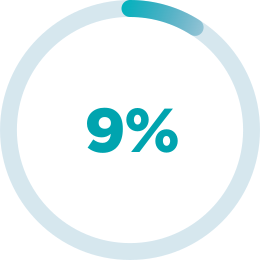
9% of Americans aged 18 and older have experienced repetitive stress disorder in the previous 3 months1

Elbow Pain Is More Common Than You Think

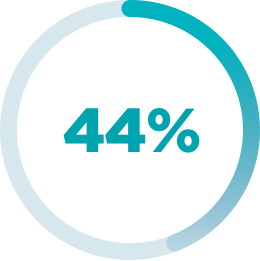
44% of adults with a repetitive stress disorder limit their activity for at least 24 hours after getting hurt1

Elbow Pain Is More Common Than You Think

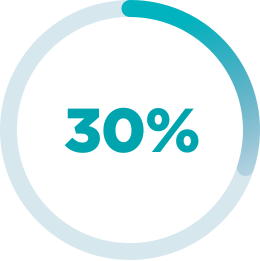
30% of all workplace injuries are musculoskeletal disorders, which include many repetitive stress disorders2

Elbow Pain Is More Common Than You Think

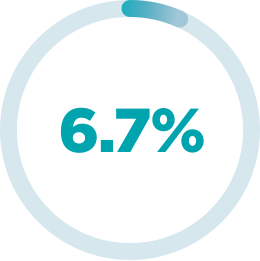
6.7% of US workers experience carpal tunnel, one of the most common repetitive stress disorders, at some point in their life3

Who Is Most At Risk For Elbow Pain?

Who Is Most At Risk For Repetitive Stress Disorder?

Desk workers spend hours every day hunched over a keyboard, typing, clicking their mouse, and looking at a screen. That low but continuous strain on your hands, wrists, and neck, especially when your workspace isn't set up ergonomically, may lead to conditions like carpal tunnel.

Labor and trade jobs are tough on the body, demanding a lot of repeated actions like gripping tools, lifting heavy materials, or working with vibrating machinery. Factory, construction, and assembly line work may overload your muscles and tendons in the back, shoulders, and elbows, leading to significant wear and tear.

These kinds of roles often require long hours of awkward postures and physical strain, which put constant, repetitive stress on the back, shoulders, and arms. Nurses have to frequently lift and move their patients, dental hygienists have to lean over for extended periods, and hair dressers stand for hours cutting hair with repetitive hand motions, and so on.

From playing violin to painting, sculpting, or knitting, these kinds of activities take incredibly precise, repetitive movements. That focus and repetition may put constant, concentrated pressure on your tendons and muscles, particularly in your hands and wrists.

Athletes and active individuals are at risk of developing repetitive stress disorders because training, exercise, and recreation often involve the same forceful, high-intensity motions repeated over time. In sports and fitness, these are known as overuse injuries or repetitive motion injuries. Sports that require powerful, precise movement can strain muscles, tendons, and joints, leading to inflammation, pain, or conditions such as rotator cuff injuries, tennis elbow, or shin splints.

Common Symptoms And Daily Struggles

Repetitive stress disorder tends to happen when you’ve really devoted yourself to your hobbies or passions. The repeated motions wear down your muscles, tendons, and nerves, causing pain that may get in the way of your favorite activities. But with the right treatment, relief is in reach.

What Are Common Symptoms Of Repetitive Stress Disorder?

  • Achy, dull pain that’s often centered around the affected area
  • Sharp, shooting, or burning pain that may radiate down the arm or into the fingers
  • Numbness or tingling in the hands or feet
  • Stiffness that makes it difficult to fully move the joint or limb
  • Weakness or clumsiness, such as trouble holding objects
  • Swelling, puffiness, or tenderness around the affected area

Recovery from repetitive stress disorders is absolutely possible. With time, rest, and the right approach to movement and recovery, your body can repair strained tissues and restore natural strength. Paying attention to early signs of pain, balancing activity with recovery, and supporting flexibility and mobility all help reduce discomfort and encourage lasting relief. Small, consistent changes can make a powerful difference in how your body feels and performs every day.

Common Symptoms And Daily Struggles
NATURAL RELIEF FROM REPETITIVE STRESS DISORDER

How Can Chiropractic Care Help With Repetitive Stress Disorder?

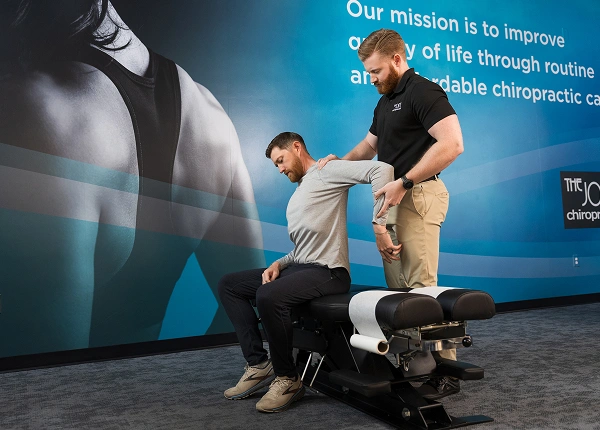
Chiropractic care may be a great way to manage and relieve swelling and pain caused by repetitive stress disorder. Routine visits are an effective alternative to prescription or over-the-counter pain medications (OTCs), which are commonly prescribed to help patients manage their pain and swelling.

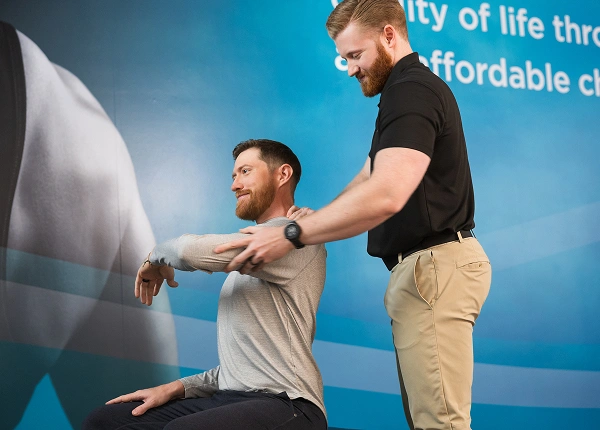
Licensed chiropractors like ours deliver a gentle, non-invasive therapy known as a chiropractic adjustment. Adjustments reduce the restriction or misalignment of joints in your joints to help reduce inflammation, improve mobility, and improve the function of your nervous system. This helps you better manage and potentially relieve your pain, whatever the cause.

Alongside chiropractic care, many people find lasting relief through complementary, non-medical approaches such as stretching, massage, ergonomic adjustments, heat or cold therapy, and mindful movement. These natural methods support healing, reduce tension, and improve mobility, helping the body recover and maintain comfort without medication.

Step 1: Understanding The Source Of Repetitive Stress Disorder

To help you find relief, chiropractors identify and address:

  • Muscle tension and soreness
  • Pain from pressure on nerves
  • Inflammation
  • Poor circulation
  • Limited range of motion

Step 2: How Chiropractic May Help

  • Adjustments to reduce joint restrictions and relieve nerve pressure
  • Soft tissue work, like massage or myofascial release, to loosen tight muscles and tendons
  • Joint mobilization, which helps improve flexibility through slow, controlled movements in your joint’s natural range of motion
  • Therapeutic exercises to restore strength, enhance flexibility, and correct movement patterns
  • Advising on how to adjust your daily tasks to reduce stress, including changing posture, limiting repetitive motion, and more
  • Ergonomic suggestions to adjust your workspace to minimize strain
  • Ice/heat therapy to manage immediate swelling and loosen tight muscles

Step 3: Potential Benefits Of Care

There are many potential health benefits of chiropractic care when you have repetitive stress disorder, including:

  • Improved joint motion and coordination
  • Relief from joint discomfort and pain
  • Improved flexibility
  • Decreased inflammation

Find A Chiropractor Near You

Walk in for quality, affordable care that fits your schedule. Enjoy hassle-free visits and same-day relief.

Nearby Clinics

Chiropractors Treating Repetitive Stress Disorder

Frequently Asked Questions About Repetitive Stress Disorder

Repetitive stress injuries primarily affect your body's soft tissues (like your muscles, tendons, and nerves), leading to inflammation, stiffness, and discomfort. Over time, that damage may build up faster than you’re able to recover, limiting your ability to grip, lift, twist, or perform fine motor skills. In short, it starts to get in the way of doing the things you love.

The best approach often involves a combination of rest, reducing or adjusting your repetitive activities, and targeted professional care. Professional care is an important part, because so many different conditions fit under the umbrella of “repetitive stress disorder” that you’ll want to know exactly what it is you’re trying to treat. For many, treatments like chiropractic care are great for addressing the underlying causes and promoting recovery.

Tennis elbow (a kind of tendinitis) is a classic example of a repetitive stress disorder. It causes discomfort on the outer part of your elbow because of repeated wrist, hand, and arm movements, such as gripping a racket, power tool, or even a computer mouse. Other examples are golfer’s elbow, carpal tunnel syndrome, trigger finger, trigger thumb, and bursitis, all of which are frequently caused by repetitive motions.

Six common symptoms of repetitive strain injuries (which is another term for repetitive stress disorder) are achy discomfort, sharp or burning pain, swelling or tenderness around the joint, numbness or tingling, stiffness, and weakness. If you start to notice these symptoms, especially after doing an activity that involves a lot of repetitive motions (like tennis, golf, typing, knitting, etc.), think about reducing or adjusting how you do that activity. See a professional if you’re feeling weakness, numbness, or tingling. Also see a doctor if you have discomfort that lasts more than a week or two, or even gets worse.

A doctor will usually give you a physical exam, discuss your medical history, and ask about your lifestyle to provide a diagnosis. They’ll want to know about your work and hobbies to better understand your repetitive stress disorder symptoms and pinpoint the specific activity that may be causing the problem. That way they’ll be able to put together a clear diagnosis and treatment plan.

Repeated movements, especially those performed with poor posture or non-ergonomic tools, are a leading cause of repetitive stress disorder. While avoiding those motions completely isn’t always possible, small, consistent adjustments can make a meaningful difference. Pay attention to tasks that create strain and look for ways to modify them. Taking short breaks to stretch, alternating positions, and improving posture all help reduce tension and protect your joints and muscles over time.

In some cases, supportive bracing or taping can help limit strain and provide stability while tissues heal. Applying heat or ice may reduce inflammation and support recovery, while gentle stretching and strengthening can improve flexibility and balance. Adjusting your workspace, equipment, or technique can also reduce repetitive stress and help you stay active, comfortable, and performing at your best.

If your pain is severe, doesn't get better after a week or two of rest and self-care, or if you develop numbness, tingling, or significant weakness, go see a doctor or chiropractor for repetitive stress disorder. Addressing the issue early may make a big difference in your recovery and keep the condition from becoming chronic.

Healing time will vary across the different kinds of repetitive strain injuries, but generally speaking, mild cases may improve within a few weeks if you rest and adjust the activity that’s causing the problem. If your case is more severe, it may take several months of consistent care, therapy, and changes to your daily routine to fully recover.

Absolutely. Soft tissue therapy, including massage or myofascial release, is often a key part of chiropractic care for repetitive stress disorder. It may help reduce muscle tension, improve blood flow to the damaged tissue, and help break up scar tissue, which is an important step in the recovery process.

Not in every case, but choosing ergonomic equipment, using correct technique for repetitive tasks, and consistently maintaining strength and flexibility in your joints may help lower your risk. Proactive care is a great way to help prevent repetitive tasks from causing harm over time.

Luckily repetitive stress disorders aren’t usually permanent, especially when you address discomfort early and with the right care. Many people may be able to find lasting relief in as little as a few weeks, and even those with more severe cases could find relief within months or a year. That said, some repetitive stress disorders may become chronic or recur, so be sure to bring any concerns to your doctor or chiropractor.

HEALTH ARTICLES

Related Reads About Repetitive Stress Disorder

Testimonial

Shear Relief

When Bobby was seven years old, his family said he’d grow up to be a hairdresser, and they were right. Today, he owns his own salon and spends his days helping people look and feel their best. Years of standing for hours, holding his arms up, and gripping tools with precision have taken a physical toll, leaving his wrists, shoulders, and lower back sore and tense by the end of each day. These are common signs of repetitive stress disorder, a condition caused by performing the same controlled, forceful motions over and over. For professionals like Bobby, the constant repetition can strain muscles and joints, irritate nerves, and lead to stiffness or pain that builds gradually. Finding balance through recovery, movement, and care helps restore comfort and keeps him doing what he loves.

1 Centers for Disease Control and Prevention. (2023). Repetitive strain injuries in adults in the past 3 months: United States, 2021. U.S. Department of Health and Human Services. https://www.cdc.gov/nchs/data/nhsr/nhsr189.pdf

2 U.S. Bureau of Labor Statistics. (n.d.). Occupational injuries and illnesses resulting in musculoskeletal disorders (MSDS). U.S. Bureau of Labor Statistics. https://www.bls.gov/iif/factsheets/msds.htm

3 Luckhaupt, S. E., Dahlhamer, J. M., Ward, B. W., Sweeney, M. H., Sestito, J. P., & Calvert, G. M. (2012). Prevalence and work‐relatedness of carpal tunnel syndrome in the working population, United States, 2010 National Health Interview Survey. American Journal of Industrial Medicine, 56(6), 615–624. https://doi.org/10.1002/ajim.22048

Download your offer today and save!

Offer valued at $45. Valid for new patients only. See clinic for chiropractor(s)' name and license info. Clinics managed and/or owned by franchisee or Prof. Corps. Restrictions may apply to Medicare eligible patients. Individual results may vary.