---
title: Can Sleep Tech Improve Sleep, Recovery, and Calm? What to Know Before You Buy
description: Sleep optimization via sleep tech now goes far beyond wearables. Explore Oura, Hatch, smart beds, anti-anxiety sleep tools, and what may actually help you sleep better.
image: https://243995956.hs-sites-na2.com/hubfs/260304-Blog-Sleep-Tech-Worth-Watching.jpg
---
# From Oura To Hatch To Smart Beds: The Sleep Tech Worth Watching Right Now

# From Oura To Hatch To Smart Beds: The Sleep Tech Worth Watching Right Now
14 min read
## TL;DR
- Sleep tech has evolved from simple sleep tracking into a broader category that helps shape how people fall asleep, stay comfortable, and wake up.
- The category now includes wearables, under-mattress monitors, sunrise clocks, temperature-responsive beds, contact-free sensors, and newer tools focused on nervous system support.
- Oura and Withings reflect the tracking side of the category, helping people understand sleep patterns, bedtime timing, and overnight trends.
- Hatch Restore 3 and Eight Sleep show how sleep tech is moving into the bedroom itself through light, sound, wake-up cues, and temperature control.
- Newer devices like Sleepal, WillSleep, and Tedream point to where the category is headed next, with more passive monitoring, more personalized support, and more advanced at-home insight.
- The strongest sleep tech solves a real friction point, such as inconsistent bedtimes, overheating, bedtime stress, or limited visibility into sleep patterns.
- Sleep data is most useful when it helps people notice patterns and make practical changes, rather than turning every morning into a scorecard.
- The future of sleep tech looks less like a collection of gadgets and more like a personalized system for better rest.
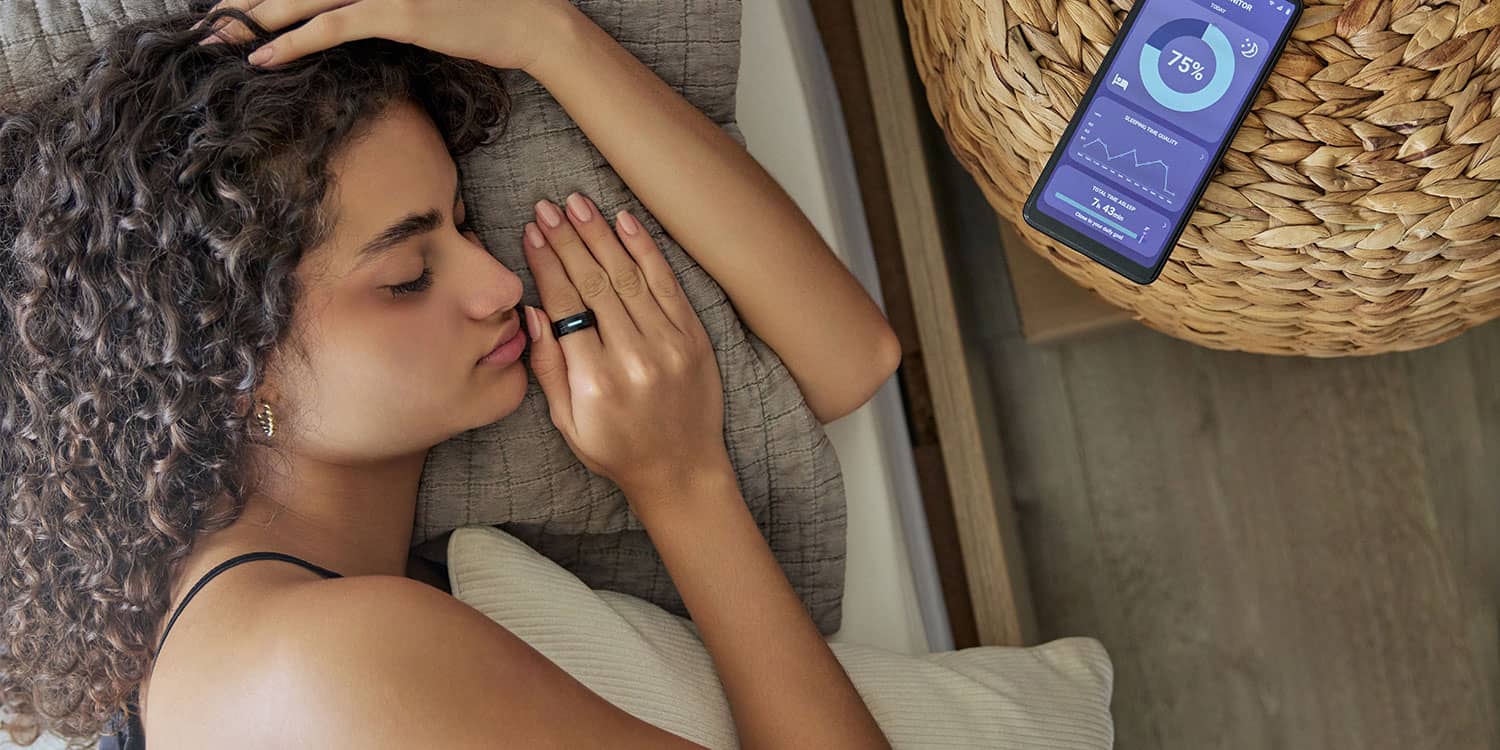
Today’s sleep tech goes beyond sleep tracking to shape how you fall asleep, stay comfortable, and wake up.
Sleep optimization via sleep tech has become a much bigger conversation because people are treating sleep as something they can actively support, personalize, and improve. A few years ago, the category centered on sleep scores and wearable curiosity. Now, it includes smart rings, under-mattress monitors, sunrise clocks, temperature-responsive bed systems, contact-free bedside sensors, and products designed to help the body settle before sleep begins. Devices like Oura, Hatch Restore 3, Withings Sleep Analyzer, Eight Sleep, Sleepal AI Lamp, WillSleep, and Tedream each reflect a different part of that evolution.
What makes the category especially compelling is the way it reflects how people now think about recovery. Better sleep supports energy, focus, mood, resilience, and physical restoration. As a result, the bedroom is starting to feel less like a place to simply collapse and more like a space people want to intentionally shape for rest. The strongest sleep products respond to that shift by helping people build steadier routines, more comfortable environments, and a clearer understanding of what happens overnight.
## **Why Sleep Has Become a Performance Conversation**
Sleep now sits alongside movement, nutrition, and recovery as a daily behavior that influences how someone feels and functions the next morning. [Better sleep is increasingly seen as a foundation for better days](https://www.thejoint.com/blog/relief/recovery-health-pillar-sleep-resilience), which helps explain why the conversation around sleep has expanded so quickly.
That shift has changed what people expect from sleep products. A simple morning score no longer feels especially satisfying on its own. People want help with bedtime timing, stress, temperature, wake-up experience, and the bigger question of whether a night actually felt restorative. Sleep tech has expanded because sleep itself is now understood as something shaped by behavior, environment, and physiology all at once.
That broader understanding also explains why the category keeps growing. Sleep challenges rarely come from one source alone. A person may be going to bed too late, feeling mentally overactive at night, sleeping too warm, waking up groggy, or struggling to build a repeatable routine. The newest generation of sleep tech speaks directly to those real-life friction points, which makes the category feel less like a novelty and more like a practical part of everyday recovery.
## **What Sleep Optimization Via Sleep Tech Actually Includes**
The category now covers a much broader range of products than many people expect. Sleep tech includes devices that track sleep, shape the sleep environment, guide bedtime routines, or support a calmer physiological state before bed.
One part of the category centers on tracking. Oura uses historical sleep patterns and recovery signals to generate a personalized bedtime window, which gives users more than a passive report. Withings Sleep Analyzer takes a different approach with an under-mattress sensor that tracks sleep, heart rate, snoring, and breathing-related patterns. Tracking products like these appeal to people who want clearer visibility into rhythm, duration, and overnight trends.
Another part of the category centers on the room itself. Hatch Restore 3 focuses on phone-free bedtime routines with soothing light, sleep sounds, and a gentler wake-up experience through a sunrise alarm. Eight Sleep takes an even more active role by adjusting bed temperature through the night based on personal preferences and sleep conditions. Sleepal AI Lamp expands the idea of the responsive bedroom by bringing contact-free sensing to the bedside through a familiar household object.
A newer layer of the category centers on state change. WillSleep is part of a growing wave of products designed to support nervous system regulation before sleep. Tedream sits at the more advanced edge of the field with a soft patch system designed to collect richer physiological information at home. Taken together, these products show that sleep tech now spans everyday routine support, ambient sensing, and increasingly sophisticated home monitoring.
## **Why Tracking Still Anchors The Sleep Tech Category**
Tracking remains the entry point for many people because it makes sleep feel visible. Sleep can seem vague when it lives only in memory. Once there’s a timeline, a pattern, and a set of signals to look at, sleep starts to feel more understandable and more actionable.
Oura remains one of the clearest examples of why tracking still matters because it turns data into a practical suggestion. Instead of simply reporting what happened overnight, it uses sleep history to recommend a bedtime window designed to support recovery, deeper sleep, and consistency. That kind of guidance helps explain why many people still begin their sleep-tech journey with a wearable. The device feels less like a diary and more like a coach.
At the same time, the category has become much more flexible. Withings Sleep Analyzer offers a passive, under-mattress format for people who want overnight insight without wearing a ring or watch. Tedream pushes the category further into home-based physiological measurement with a patch system that aims to bring more advanced monitoring into a home environment. These products broaden the definition of tracking from wearable logging to ambient or semi-clinical overnight observation.
Tracking also stays relevant because it often gives people their first meaningful clue about what’s shaping their nights. A person may realize bedtime drifts later than expected, wake periods happen more often after stressful days, or snoring patterns show up consistently. That awareness can be powerful because it turns sleep from a mystery into something more understandable. The strongest tracking tools don’t just create numbers. They help people recognize patterns they can use.
## **Why the Bedroom Is Becoming a Responsive Sleep Environment**
Some of the most interesting sleep products now focus less on measuring the night and more on improving the conditions around it. That shift reflects a simple truth. A room that supports wind-down, comfort, and gentler waking can make better sleep feel easier to repeat.
Hatch Restore 3 is a strong example of that direction because it treats the bedtime routine as part of the sleep experience itself. Light, sound, and wake-up cues work together to create a more intentional evening rhythm. For people who want their nights to feel less scattered and their mornings less abrupt, that kind of product can be especially appealing. It supports sleep by helping the surrounding ritual feel steadier.
Eight Sleep represents a different kind of responsive bedroom. Its temperature-focused system makes the bed itself an active part of the sleep environment. For people who sleep hot, wake up overheated, or share a bed with someone who prefers a different temperature, that kind of control can make sleep feel far more comfortable and tailored. In that context, sleep tech becomes less about collecting information and more about changing the physical conditions that shape rest.
Sleepal AI Lamp points toward an even quieter future. It suggests a world where sleep insight can happen through objects that already belong in the room, rather than through devices attached to the body. That shift matters because it reflects a larger direction in consumer wellness tech. The category is moving toward products that blend into daily life, gather information passively, and make the environment feel more supportive without demanding constant attention.
## **Why Anti-Anxiety Sleep Tech Gets So Much Attention**
A growing share of sleep products are focused on the transition into sleep, not just the hours after someone finally drifts off. That makes sense because, for many people, the hardest part of the night begins before the lights go out. The real challenge is moving from a mentally busy, physically alert, or emotionally activated evening into a state that feels calm enough for sleep to arrive smoothly.
That reality helps explain why products designed around state change are attracting so much interest. WillSleep reflects growing consumer interest in tools that aim to support the body’s transition into a more settled condition before bed. Hatch Restore 3 fits into the same broader conversation from a gentler angle by using sound, light, and routine cues to support a calmer pre-sleep experience. One product leans more toward emerging neurotech, while the other leans toward environmental and behavioral support, but both speak to the same desire: people want help feeling ready for sleep.
This area of the market feels especially timely because it reflects a broader shift in how people think about rest. Many consumers are no longer looking only for something that helps them sleep once their head hits the pillow. They’re looking for products that help the evening itself feel softer, calmer, and more regulated. In that sense, anti-anxiety sleep tech is part of a larger movement toward nervous system support, emotional regulation, and smoother nighttime transitions.
## **Does More Sleep Data Actually Help You Sleep Better?**
More sleep data can be helpful when it creates clarity. It becomes useful when it reveals a pattern someone can act on, such as bedtime inconsistency, repeated snoring, overnight overheating, or the way stress seems to influence timing and recovery.
The strongest data helps someone notice that a later dinner leads to a rougher night, that weekends throw off the rhythm of the week, or that the room gets warmer than expected by early morning. When data works well, it gives a person a calmer understanding of what might be shaping sleep in real life.
The less helpful version is the kind that turns every morning into a verdict. When a person starts reacting emotionally to every score or obsessing over every stage reading, sleep can begin to feel more pressured than supported. That’s why the strongest sleep products tend to focus on trend awareness and practical next steps rather than endless dashboards. A good device helps the user recognize patterns, make a small adjustment, and move toward a more repeatable night.
That distinction matters because the value of sleep tech isn’t perfection. The value is support. The best data helps people move closer to a steadier routine, a more comfortable environment, and a better understanding of what sleep looks like in their own lives.
## **How to Choose Sleep Tech Based on Your Real Sleep Problem**
The smartest way to choose sleep tech is to match the product to the friction point. The best first purchase is rarely the flashiest device in the category. The best first purchase is usually the one that addresses the clearest obstacle between a person and more consistent rest.
For someone whose main issue is timing, Oura and Hatch make sense because both products support rhythm and repeatability. Oura uses sleep history to suggest a bedtime window, while Hatch centers the bedtime routine itself with soothing light, sound, and a gentler morning wake-up. A person who wants more structure around winding down may be drawn to a routine-led product. A person who wants pattern-based prompts may connect more with a wearable.
For someone whose main issue is temperature, Eight Sleep stands out because temperature regulation sits at the center of the product experience. That feature can matter a great deal for hot sleepers, people whose comfort needs shift through the night, and couples who want more personalized conditions. When temperature is the main issue, a sleep system that actively changes the bed may feel more relevant than a tracker alone.
For someone who wants sleep insight without wearing anything, Withings Sleep Analyzer and Sleepal AI Lamp show two different paths. Withings offers an under-mattress sensor with overnight analysis related to sleep, heart rate, snoring, and breathing-related patterns. Sleepal brings contact-free sensing to the bedside through a more ambient format. Both products reflect the same appeal: they reduce physical friction while still giving the user useful insight.
For someone whose main issue is bedtime stress or a hard transition into sleep, anti-anxiety sleep tech becomes more relevant. Hatch supports that need through routine, sound, and light. WillSleep represents a more specialized approach centered on nervous system support. A person who wants a softer evening ritual may lean toward environmental cues. A person interested in newer neurotech may be more curious about direct state-regulation tools.
For someone who wants richer physiological information at home, Tedream represents the advanced edge of the category. Its patch-based system is designed to collect more signals than a typical consumer wearable, which may appeal to people who are especially curious about sleep physiology or who want a more in-depth picture of what happens overnight.
## **Sleep Tech at a Glance**
The current wave of sleep tech is broad, ambitious, and increasingly sophisticated. Here’s a closer look at the devices helping define the category, from smart rings and bedside systems to emerging tools focused on regulation and recovery.
### **Oura Ring 4**
**Official Site:** [Oura
](https://ouraring.com/store/rings/oura-ring-4)**What It Does:** Tracks sleep, readiness, activity, stress, heart health, and related wellness metrics, while also offering bedtime guidance and longer-term trend awareness.
**Best For:** Someone who wants a wearable that turns overnight data into practical cues around timing and recovery.
**Starting Price:** $349, plus a membership for full app functionality.
**Why It Stands Out:** Oura is one of the strongest examples of sleep tech that moves beyond a simple sleep score. It connects nightly data to broader recovery patterns, which makes the information feel more useful in everyday life.
**What To Keep In Mind:** It works best for people who are comfortable wearing a ring consistently and who want more than a basic overnight summary. Full functionality depends on the membership.
### **Hatch Restore 3**
**Official Site:** [Hatch
](https://www.hatch.co/restore?srsltid=AfmBOooRG0QMD5JoN-ELG8MoQInAWW3Psal5-nU8yWXMm20TMPkL7rfC)**What It Does:** Builds a phone-free sleep routine with soothing light, sleep sounds, and a sunrise-style alarm.
**Best For:** Someone who wants a steadier wind-down routine and a gentler wake-up experience.
**Starting Price:** $169.99.
**Why It Stands Out:** Hatch Restore 3 supports the rhythm around sleep, not just the hours spent asleep. It is especially compelling for people who want evenings to feel less scattered and mornings to feel less abrupt.
**What To Keep In Mind:** This is less about rich biometric tracking and more about routine-building, environmental cues, and bedside behavior.
### **Withings Sleep Analyzer**
**Official Site:** [Withings
](https://www.withings.com/us/en/landing/sleep-tracking-watch)**What It Does:** Sits under the mattress and tracks sleep cycles, heart rate, snoring, breathing-related patterns, and sleep interruptions without anything to wear.
**Best For:** Someone who wants overnight insight without a ring or watch.
**Starting Price:** $199.95.
**Why It Stands Out:** Withings offers a lower-friction path into sleep tracking because the device disappears under the mattress. That makes it appealing for people who want useful data without adding another wearable.
**What To Keep In Mind:** It is strongest for passive monitoring and general pattern awareness, rather than for someone who wants a more lifestyle-oriented coaching experience.
### **Eight Sleep Pod**
**Official Site:** [Eight Sleep
](https://www.eightsleep.com/product/pod5ultra/?srsltid=AfmBOoru0IqxX7crU5sDpz_fiCsu80TDUjwWGKkYVM_kl3WMWlB_WHxH)**What It Does:** Cools and heats each side of the bed, tracks sleep and recovery, and includes features like thermal and vibration alarms.
**Best For:** Hot sleepers, couples with different temperature preferences, and people who want the bed itself to become part of the sleep solution.
**Starting Price:** Pod 4 starts at $2,649, Pod 5 at $2,999, and Pod 5 Ultra at $4,999 on the current product comparison page. A current Pod cover listing also shows $3,298 for one configuration.
**Why It Stands Out:** Eight Sleep is one of the clearest examples of sleep tech that actively changes the sleep environment rather than simply reporting on it afterward. For people whose nights are shaped by overheating, it can feel much more meaningful than a tracker alone.
**What To Keep In Mind:** This is the most premium product in the group, so it makes the most sense when temperature is a major part of the sleep problem.
### **Sleepal AI Lamp**
**Official Site:** [Sleepal
](https://sleepal.ai/)**What It Does:** Uses contact-free sensing from the bedside, combining radar, thermal and acoustic sensing, and environmental awareness to analyze sleep.
**Best For:** Someone who wants sleep insight without wearing a device or placing a sensor under the mattress.
**Price:** Public pricing was not listed in the official materials I reviewed.
**Why It Stands Out:** Sleepal represents one of the more interesting directions in sleep tech because it blends into the room and works through a familiar object rather than through something worn on the body.
**What To Keep In Mind:** It feels most interesting as a sign of where the category is going, especially for readers drawn to passive, contact-free tracking.
### **WillSleep**
**Official Site:** [WillSleep
](https://www.willsleep.kr/en/)**What It Does:** A wearable neurostimulation device designed to support sleep quality through transcutaneous vagus nerve stimulation, worn on the neck for a short daily session.
**Best For:** Someone especially interested in the nervous system side of sleep support and in newer, more specialized sleep technology.
**Price:** Public pricing was not listed on the English official site or the CES product page I reviewed.
**Why It Stands Out:** WillSleep speaks directly to one of the most compelling sleep-tech trends right now: helping the body feel calmer before sleep begins.
**What To Keep In Mind:** This is a more specialized product than a typical tracker or bedside clock, so it fits best for readers who are specifically interested in state regulation and neurotech.
### **Tedream**
**Official Site:** [Tedream
](https://wismedical.io/product2)**What It Does:** Uses a soft wireless patch system to measure signals such as EEG, ECG, EMG, SpO₂, heart rate, respiration, snoring, and posture in a home setting.
**Best For:** Someone who wants a much deeper look at sleep physiology than a standard wearable can provide.
**Price:** Public pricing was not listed in the official materials I reviewed.
**Why It Stands Out:** Tedream pushes sleep tech closer to the feel of an at-home sleep lab. It is one of the clearest examples of how the category is stretching beyond lifestyle tracking into more advanced home monitoring.
**What To Keep In Mind:** This product is best framed as an advanced monitoring tool rather than an entry-level sleep gadget. It fits a reader who wants richer physiological detail, not just bedtime habit support.
## **Where Sleep Tech Fits Best in Real Life**
The most valuable sleep devices tend to sit somewhere between awareness and ease. They help people repeat better nights with less effort. Sometimes that support looks like a ring that nudges bedtime earlier. Sometimes it looks like a bedside clock that helps the phone stay off the pillow. Sometimes it looks like a cooler bed, a gentler wake-up, or a quieter way of seeing what happens overnight.
Sleep optimization via sleep tech works best when the technology supports human rhythm instead of competing with it. The strongest products in the category make evenings feel more settled, bedrooms feel more supportive, and mornings feel easier to meet. They fit into real life because they solve a specific friction point and then fade into the background.
That’s what makes the category feel more mature now than it did a few years ago. The conversation is no longer only about collecting more information. The conversation is about making better sleep feel easier to return to, night after night. In that sense, the future of sleep tech looks less like a wall of metrics and more like a thoughtful collection of tools that quietly support rest.
## **Frequently Asked Questions About Sleep Tech**
### **What is sleep tech?**
Sleep tech refers to products and systems designed to support better rest before, during, and around sleep. Some products focus on tracking what happens overnight, while others shape the bedroom environment, guide bedtime routines, or help the body move into a calmer state before sleep begins.
The category now reaches far beyond a basic sleep tracker. It includes wearables like Oura, under-mattress monitors like Withings Sleep Analyzer, bedside routine devices like Hatch Restore 3, temperature-responsive systems like Eight Sleep, and newer contact-free or neurotech products such as Sleepal and WillSleep. What connects them is the same core goal: helping people understand their sleep more clearly and build conditions that support more consistent, comfortable rest.
### **Does sleep tech actually improve sleep?**
Sleep tech can improve sleep when it helps solve a real problem in someone’s nightly routine or environment. The strongest products tend to work best when they address a specific friction point, such as inconsistent bedtimes, overheating, difficulty winding down, or limited awareness of what may be disrupting sleep overnight.
That’s why sleep tech works best as a practical tool rather than a promise of perfect sleep. A routine-based device may help evenings feel steadier. A temperature-focused system may help someone stay comfortable through the night. A tracker may help reveal patterns that were easy to miss before. When a product aligns with a person’s actual sleep challenge, it can become a meaningful part of a better nightly rhythm.
### **Are sleep trackers accurate?**
Sleep trackers are often accurate enough to be useful for pattern recognition, habit-building, and general sleep awareness. They can help people spot trends in bedtime consistency, estimated sleep duration, overnight disruptions, and recovery-related changes over time. For many users, that kind of visibility is the most valuable part of the experience.
At the same time, consumer sleep trackers work best as awareness tools rather than clinical tools. They can offer a helpful picture of what sleep may look like night after night, while formal diagnosis and treatment still belong in medical care, especially when symptoms feel more serious, persistent, or complex. The real value of a tracker often comes from the way it helps someone notice patterns and make smarter adjustments in everyday life.
### **What does Hatch Restore 3 do?**
Hatch Restore 3 is designed to help people create a more intentional bedtime routine and a gentler morning wake-up. It uses soothing light, sleep sounds, and sunrise-style wake cues to make the transition into sleep and out of sleep feel smoother and more structured.
Its appeal comes from the way it supports the full rhythm around sleep, not just the hours spent in bed. For people who want evenings to feel less scattered or mornings to feel less abrupt, Hatch Restore 3 offers a phone-free bedside experience that helps turn sleep into more of a ritual and less of a scramble.
### **Is Oura good for sleep tracking?**
Oura is a strong option for people who want sleep tracking to feel practical and personalized. Rather than stopping at a simple sleep summary, it connects overnight patterns with broader readiness and recovery signals, which can make the data feel more relevant to daily life.
One of Oura’s biggest strengths is the way it turns sleep information into usable guidance. For someone who wants help with bedtime timing, pattern awareness, and a clearer sense of how sleep connects with recovery, Oura offers more depth than a basic tracker while still fitting into everyday life in a relatively simple way.
### **Are smart beds worth it for sleep?**
Smart beds can be especially worthwhile when temperature plays a major role in sleep quality. For people who run hot, wake up uncomfortable during the night, or want more personalized control over the sleep environment, a temperature-responsive system can offer a kind of support that standard trackers do not.
Their value comes from actively shaping the sleep experience instead of only reporting on it afterward. Products like Eight Sleep appeal to people who want the bed itself to become part of the solution. When comfort is the main issue, a smart bed may feel far more impactful than a device that only measures what happened overnight.
### **Can sleep tech diagnose sleep disorders?**
Sleep tech can surface patterns that help people better understand their sleep and recognize when something may deserve closer attention. It can add context, encourage awareness, and support more informed conversations about symptoms, routines, and overnight trends.
Diagnosis and treatment, though, still belong in clinical care. Consumer sleep devices are most helpful when they serve as tools for awareness and smarter next steps. If sleep concerns feel persistent, disruptive, or more medically complex, professional evaluation remains the right path for a clear answer and a care plan built around the full picture.
---
*The information, including but not limited to text, graphics, images, and other material contained on this page, is for informational purposes only. The purpose of this post is to promote broad consumer understanding and knowledge of various health topics, including but not limited to the benefits of chiropractic care, exercise, and nutrition. It is not intended to provide or be a substitute for professional medical advice, diagnosis, or treatment. Always seek the advice of your chiropractor, physician, or other qualified health care provider with any questions you may have regarding a medical condition or treatment and before undertaking a new health care regimen, and never disregard professional medical advice or delay in seeking it because of something you have read on this page.*
Clinically reviewed by [Dr. Dustin DebRoy, D.C.](https://243995956.hs-sites-na2.com/blog/reviewers/dustin-debroy)
Written by Janett King
Read about the author
Janett King is a seasoned content writer with more than twenty years of experience writing about health and wellness, supplements, and K-12 and post-secondary education. She focuses on making complex topics easy to understand, so you can feel informed, supported, and confident as you make decisions about your health.
---
[Wellness](https://243995956.hs-sites-na2.com/blog/wellness) [Eight Sleep Pod](https://243995956.hs-sites-na2.com/blog/search?q=Eight+Sleep+Pod) [HRV](https://243995956.hs-sites-na2.com/blog/search?q=HRV) [Hatch Restore 3](https://243995956.hs-sites-na2.com/blog/search?q=Hatch+Restore+3) [Oura Ring](https://243995956.hs-sites-na2.com/blog/search?q=Oura+Ring) [REM sleep](https://243995956.hs-sites-na2.com/blog/search?q=REM+sleep) [Sleep Tech](https://243995956.hs-sites-na2.com/blog/search?q=Sleep+Tech) [Sleepal AI Lamp](https://243995956.hs-sites-na2.com/blog/search?q=Sleepal+AI+Lamp) [Tedream](https://243995956.hs-sites-na2.com/blog/search?q=Tedream) [WillSleep](https://243995956.hs-sites-na2.com/blog/search?q=WillSleep) [Withings Sleep Analyzer](https://243995956.hs-sites-na2.com/blog/search?q=Withings+Sleep+Analyzer) [anti-anxiety sleep tech](https://243995956.hs-sites-na2.com/blog/search?q=anti-anxiety+sleep+tech) [best sleep tracker](https://243995956.hs-sites-na2.com/blog/search?q=best+sleep+tracker) [circadian rhythm](https://243995956.hs-sites-na2.com/blog/search?q=circadian+rhythm) [contact-free sleep tracking](https://243995956.hs-sites-na2.com/blog/search?q=contact-free+sleep+tracking) [deep sleep](https://243995956.hs-sites-na2.com/blog/search?q=deep+sleep) [fall asleep faster](https://243995956.hs-sites-na2.com/blog/search?q=fall+asleep+faster) [how to fall asleep](https://243995956.hs-sites-na2.com/blog/search?q=how+to+fall+asleep) [how to sleep better](https://243995956.hs-sites-na2.com/blog/search?q=how+to+sleep+better) [how to stay asleep](https://243995956.hs-sites-na2.com/blog/search?q=how+to+stay+asleep) [improve sleep quality](https://243995956.hs-sites-na2.com/blog/search?q=improve+sleep+quality) [sleep apnea](https://243995956.hs-sites-na2.com/blog/search?q=sleep+apnea) [sleep efficiency](https://243995956.hs-sites-na2.com/blog/search?q=sleep+efficiency) [sleep gadgets](https://243995956.hs-sites-na2.com/blog/search?q=sleep+gadgets) [sleep hygiene](https://243995956.hs-sites-na2.com/blog/search?q=sleep+hygiene) [sleep latency](https://243995956.hs-sites-na2.com/blog/search?q=sleep+latency) [sleep optimization tips](https://243995956.hs-sites-na2.com/blog/search?q=sleep+optimization+tips) [sleep optimization tools](https://243995956.hs-sites-na2.com/blog/search?q=sleep+optimization+tools) [sleep optimization via sleep tech](https://243995956.hs-sites-na2.com/blog/search?q=sleep+optimization+via+sleep+tech) [sleep routine](https://243995956.hs-sites-na2.com/blog/search?q=sleep+routine) [sleep schedule](https://243995956.hs-sites-na2.com/blog/search?q=sleep+schedule) [sleep tech for anxiety](https://243995956.hs-sites-na2.com/blog/search?q=sleep+tech+for+anxiety) [sleep tech trends](https://243995956.hs-sites-na2.com/blog/search?q=sleep+tech+trends) [sleep tracking devices](https://243995956.hs-sites-na2.com/blog/search?q=sleep+tracking+devices) [smart sleep products](https://243995956.hs-sites-na2.com/blog/search?q=smart+sleep+products) [smart sleep tracker](https://243995956.hs-sites-na2.com/blog/search?q=smart+sleep+tracker) [tips for sleeping better](https://243995956.hs-sites-na2.com/blog/search?q=tips+for+sleeping+better) [vagus nerve stimulation](https://243995956.hs-sites-na2.com/blog/search?q=vagus+nerve+stimulation)
## Find A Chiropractor Near You
Enter your zip code
Find A Clinic
Find locations, hours, and walk-in availability near you.
## Related Articles
[
### Postpartum Chiropractic Care for a Stronger, More Supported Recovery
Read now
](https://243995956.hs-sites-na2.com/blog/wellness/can-chiropractic-care-help-me-recover-from-my-pregnancy)
[
### Chiropractic Care During Pregnancy For a Body in Motion
Read now
](https://243995956.hs-sites-na2.com/blog/wellness/the-connection-between-chiropractic-care-and-pregnancy)
[
### Spend Smarter on Wellness: What’s Worth It and What’s Not
Read now
](https://243995956.hs-sites-na2.com/blog/wellness/how-to-spend-on-wellness-without-wasting-money)
[
### Functional Drinks As A Daily Ritual: Why Better-For-You Beverages Keep Winning
Read now
](https://243995956.hs-sites-na2.com/blog/wellness/functional-drinks-daily-ritual)
$
29
*
New patient special
## Consultation, Exam, and Adjustment
Get started today and we’ll match you with a nearby clinic.
[ start your offer ](https://www.thejoint.com/introductory-offer)
Not interested
```json
{
"@context" : "https://schema.org",
"@type" : "BlogPosting",
"author" : {
"@type" : "Person",
"name" : "Janett King",
"url" : "https://243995956.hs-sites-na2.com/blog/wellness/author/janett-king"
},
"dateModified" : "2026-03-12T04:00:00.243Z",
"datePublished" : "2026-03-12T04:00:00.000Z",
"headline" : "Can Sleep Tech Improve Sleep, Recovery, and Calm? What to Know Before You Buy",
"image" : [ "https://243995956.hs-sites-na2.com/hubfs/260304-Blog-Sleep-Tech-Worth-Watching.jpg" ],
"mainEntityOfPage" : {
"@id" : "https://243995956.hs-sites-na2.com/blog/wellness/sleep-optimization-via-sleep-tech",
"@type" : "WebPage"
},
"publisher" : {
"@type" : "Organization",
"logo" : {
"@type" : "ImageObject"
}
}
}
```